Durable, AI-native software businesses we start or buy, run with installed operators, and grow for the long term. Two are live today.
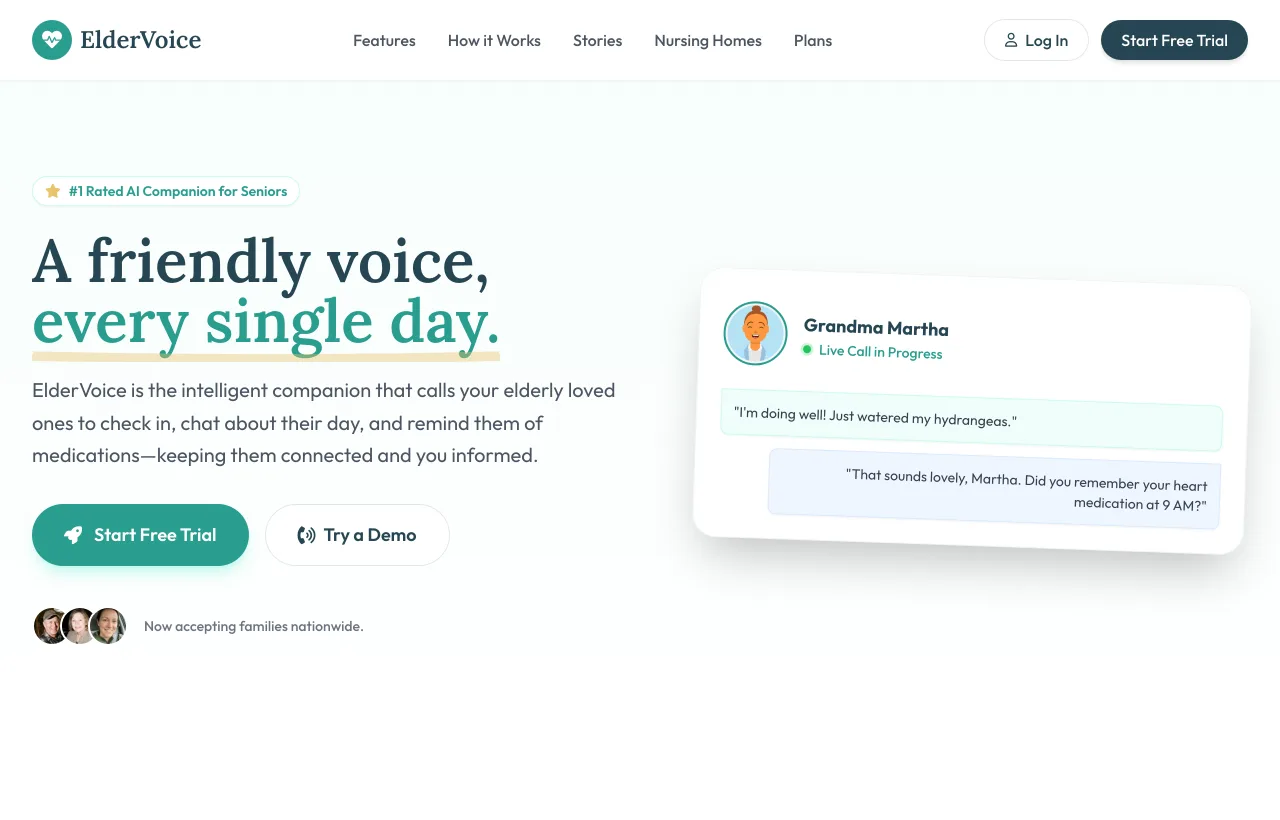
A friendly voice, every single day.
An intelligent companion that calls elderly loved ones to check in, chat about their day, and remind them about medications — keeping families connected and informed. Every call turns into a short summary the family actually reads.
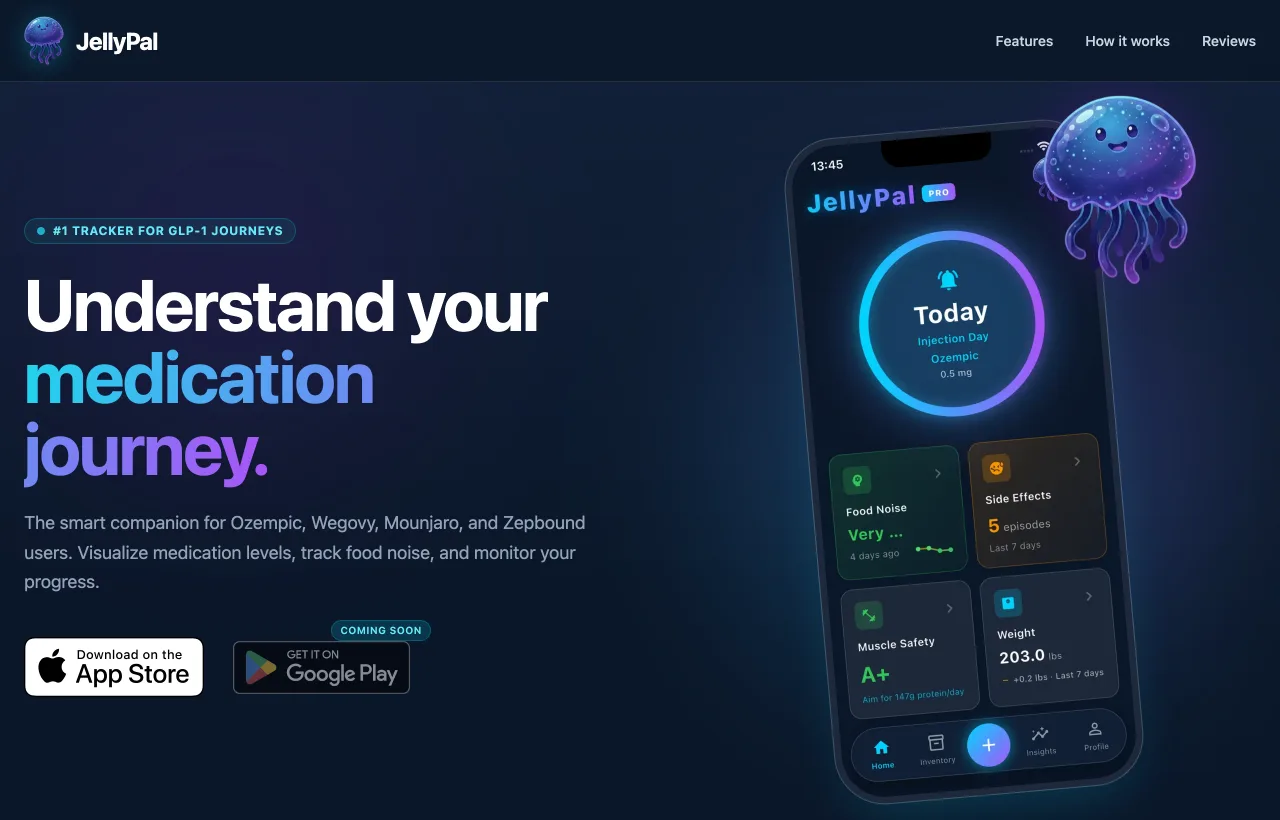
Understand your medication journey.
The smart companion for GLP-1 users on Ozempic, Wegovy, Mounjaro and Zepbound — visualize medication levels, track food noise, and monitor progress over time, so the next dose is never a guess.
We are specific. Four tests every venture must pass before we commit time or capital.
Solves a clear pain for payers that won't disappear in five years.
SaaS or subscription models with high automation leverage.
A path to profitability that does not require multiple funding rounds.
B2B or consumer products that become daily or weekly habits.
A studio is only a studio if venture four is cheaper to start than venture one. That means the work has to be written down, not carried in someone's head.
Five systems come with a venture on day one, and each of them is a thing the founder or operator does not have to invent under time pressure:
What the studio keeps is deliberately narrow. We stay involved on strategy, capital, and those shared systems. The operator owns the profit and loss, and owns it for real: pricing, hiring, roadmap, and what the company stops doing. A half handoff, where the title moves but the decisions still route back to us, is worse than either extreme.
If you want the full version of how this works, the venture studio playbook covers the model, the economics, and the failure modes. Why we install operators covers the handoff itself.
Five minutes to tell us. We read every submission ourselves.